On February 8, 2025, a powerful 7.6-magnitude earthquake rocked the Caribbean, shaking buildings and sending people rushing into the streets. The epicenter was about 130 miles south-southwest of George Town in the Cayman Islands, but tremors were felt across Jamaica, Cuba, Honduras, Puerto Rico, and the U.S. Virgin Islands.
Right after the quake, tsunami warnings were issued, and people living near the coast were asked to evacuate. Thankfully, the warnings were later lifted, but the earthquake still caused serious damage.
This disaster brings up an important question: How prepared is the Caribbean for big earthquakes, and what can be done to improve safety in the future?

The 7.6-Magnitude Earthquake Event
What Happened?
The 7.6-magnitude earthquake hit at 6:23 p.m. local time, with a depth of 10 kilometers beneath the ocean. At first, scientists thought it was an 8.0-magnitude earthquake, but later, it was confirmed to be 7.6.
Where Was the Impact of the Caribbean Earthquake?
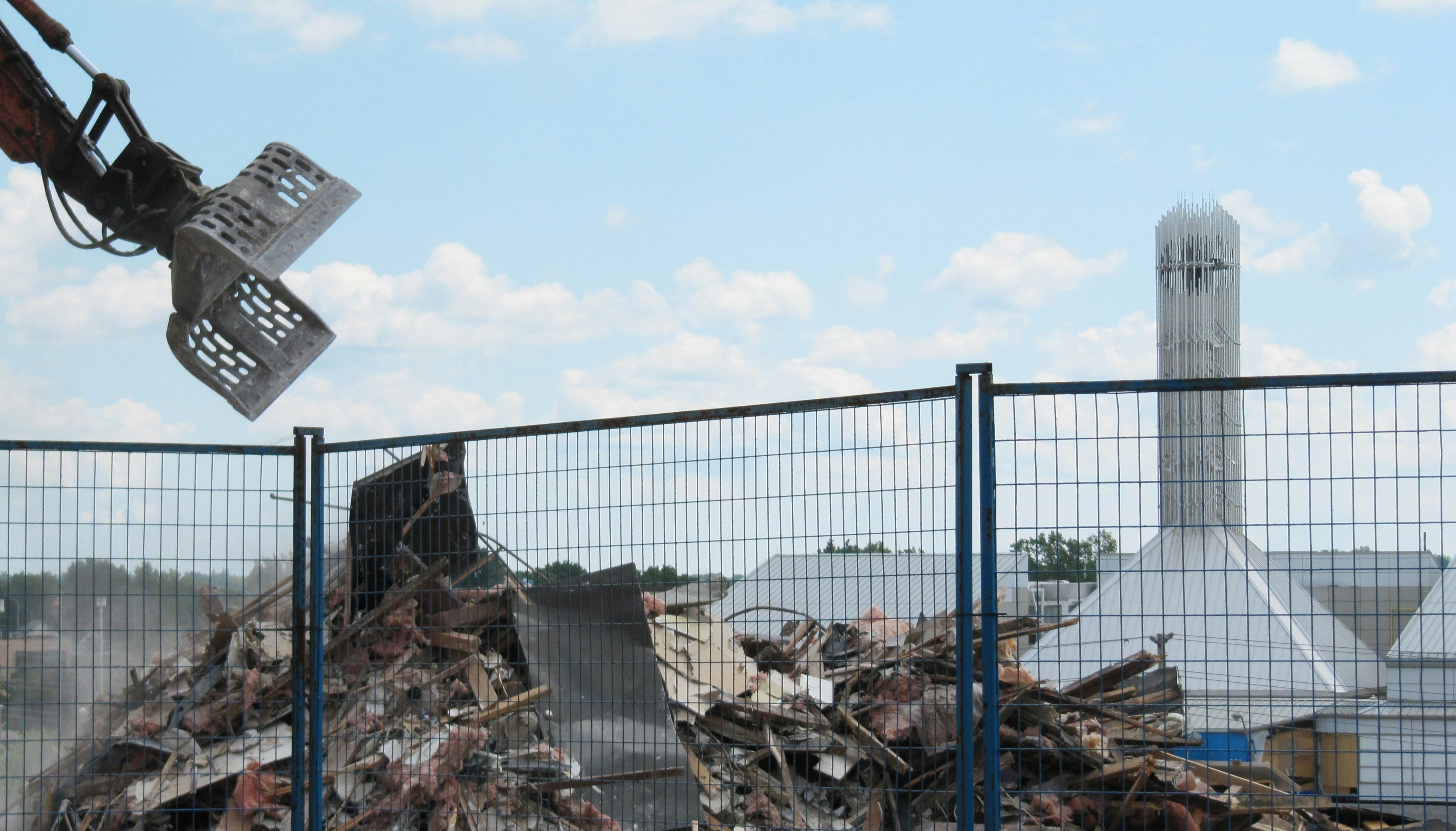
The earthquake was felt strongest in the Cayman Islands, Jamaica, and Cuba, but people as far away as Honduras and Puerto Rico also reported shaking. Some areas experienced power outages, damaged roads, and collapsed buildings.
Immediate Aftermath
- Tsunami warnings were quickly issued in several Caribbean countries.
- People in coastal areas were urged to evacuate to higher ground.
- Governments and emergency teams rushed to assess the damage and help those in need.
Caribbean Earthquake: Tsunami Warnings and Evacuations
Tsunami Threat in the Caribbean Region
After the earthquake, the U.S. Tsunami Warning System issued alerts for several countries, including Haiti, Belize, the Bahamas, Costa Rica, the Cayman Islands, Cuba, Nicaragua, Panama, Guatemala, Honduras, Mexico, and Jamaica. People near the coast were warned that tsunami waves up to 3 feet high could hit.
Evacuations After the Caribbean Earthquake
Authorities quickly told people to move away from the shore. In Jamaica, sirens went off, and people rushed to safer areas. Many families grabbed their emergency kits and ran to higher ground.
What Happened Next?
Thankfully, after a few hours, the U.S. National Tsunami Warning Center announced that the tsunami threat had passed. No major tsunami waves hit the region, and people were allowed to return home. However, the fear and panic showed how important earthquake preparedness is for Caribbean nations.

Historical Context of Earthquakes in the Caribbean
The Caribbean has a long history of powerful earthquakes, and this recent quake is a reminder that the region is very seismically active.
Past Major Earthquakes
- 2010 Haiti Earthquake – A 7.0-magnitude earthquake killed over 220,000 people and left millions homeless.
- 1843 Guadeloupe Earthquake – Estimated at 8.5-magnitude, it caused massive destruction across the Caribbean.
Why Does the Caribbean Get So Many Earthquakes?
The Caribbean sits between the North American and Caribbean tectonic plates, which are constantly moving. Sometimes, the plates get stuck and then suddenly slip, causing earthquakes. Because of this, earthquakes will always be a risk in the region, making preparedness and safety measures crucial.
At the moment, earthquakes are also happening in the Santorini region in Greece, which are unrelated to the Caribbean earthquake.
Preparedness and Mitigation Strategies
How Prepared Is the Caribbean?
Some Caribbean countries have good earthquake preparedness plans, but others are still working on improving them. In many places, buildings are not built to withstand strong earthquakes, making them more likely to collapse during a quake.
Ways to Improve Safety
- Stronger buildings: Governments should enforce earthquake-resistant construction laws to make sure buildings don’t collapse easily.
- Better public awareness: Schools and communities should have earthquake drills so people know what to do.
- Emergency kits: Every household should have an emergency kit with food, water, flashlights, and first-aid supplies.
- Regional cooperation: Caribbean countries should work together on disaster response and early warning systems.

Global Response and Aid After the Caribbean Earthquake
International Help
After the earthquake, international organizations like the Red Cross, the United Nations, and several governments offered aid. Relief teams were sent to help with damage assessment, food distribution, and medical assistance.
Role of NGOs
Organizations like Doctors Without Borders and Habitat for Humanity have been working in the Caribbean for years, helping communities recover from past earthquakes and improve their disaster response strategies.
Long-Term Recovery Plans
Many experts believe that long-term solutions should focus on stronger infrastructure and better preparedness programs. Instead of just reacting to disasters, Caribbean countries need to invest in preventing future damage.
What’s Going to Happen Now in the Caribbean?
The 7.6-magnitude earthquake that hit the Caribbean is a stark reminder that earthquakes are an ongoing threat in the region. While the tsunami warnings were lifted without major incidents, the damage and fear caused by this earthquake show the need for better preparedness.
Governments, organizations, and local communities must work together to improve earthquake-resistant buildings, educate people on safety measures, and develop better disaster response plans. Investing in preparedness today could save thousands of lives in the future.


Leave a Reply