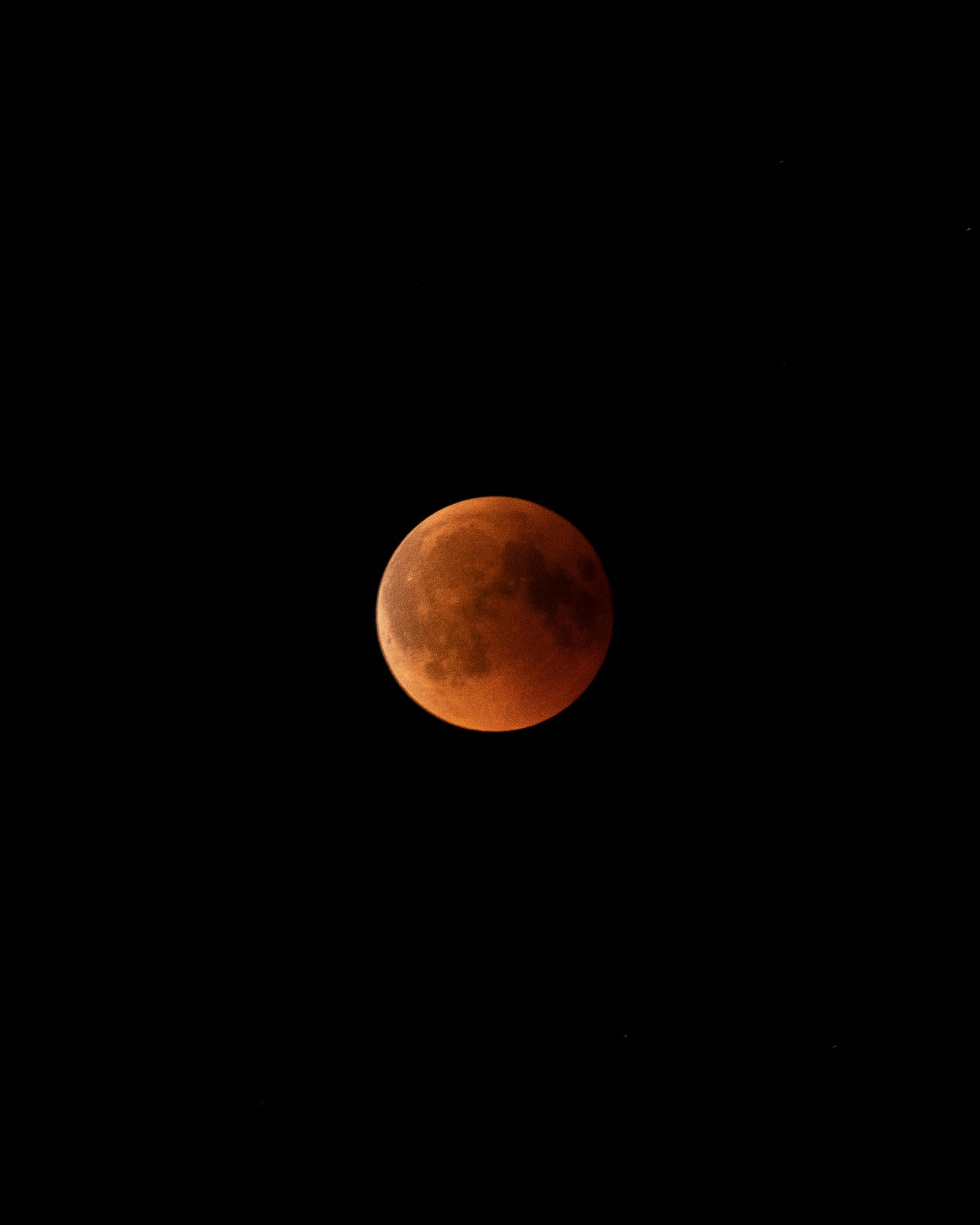
Skywatchers, get ready! A stunning Blood Moon eclipse is set to appear over North America in March 2025, bringing one of the most breathtaking celestial events of the year. If you’ve ever seen the Moon glowing a deep red and wondered why, you’re in for a treat.
In this article, we’ll explore what a Blood Moon is, when and where to see it, key times to watch, and expert tips for getting the best view. Plus, we’ll highlight upcoming lunar eclipses in 2025 so you don’t miss out on future astronomical wonders. So grab your telescope, find a dark sky spot, and prepare to witness one of nature’s most spectacular shows!
What Is a Blood Moon?
A Blood Moon occurs during a total lunar eclipse, when Earth’s shadow completely covers the Moon, and sunlight refracts through the planet’s atmosphere, casting a reddish glow. The effect is similar to how the sky turns red during sunrise and sunset.
It is definitely a sight to see! It would have been great if this was also happening during the planetary alignment in January!

When Is the Next Blood Moon?
Mark your calendars! The next Blood Moon eclipse will happen on March 14, 2025. This will be a total lunar eclipse, meaning the entire Moon will turn a deep red for a period of time.
The eclipse will be visible across North America, especially in areas with clear skies and minimal light pollution. If you’re in the right location, you’ll get to experience the full dramatic transformation of the Moon as it enters Earth’s shadow. Get ready to see one of the top events of the 2025 Space Calendar!

Where and When to See the Blood Moon in March 2025
The Blood Moon tonight (March 14, 2025) will be visible across much of the United States, Canada, and Mexico. Here are the key phases and times (in Eastern Time) to watch for:
- Penumbral eclipse begins: 9:53 PM ET – The Moon starts entering Earth’s outer shadow. The change is subtle at this stage.
- Partial eclipse begins: 10:59 PM ET – A noticeable dark shadow appears as the Earth’s shadow begins covering the Moon.
- Total eclipse (Blood Moon) begins: 12:12 AM ET (March 15) – The Moon turns red as it enters a full eclipse.
- Maximum eclipse: 12:59 AM ET – The peak of the eclipse, when the red hue is at its deepest.
- Total eclipse ends: 1:46 AM ET – The Moon begins to brighten again as it exits Earth’s shadow.
- Partial eclipse ends: 2:49 AM ET – The shadow slowly fades away.
- Penumbral eclipse ends: 3:55 AM ET – The event concludes.
Depending on your time zone, these times may vary slightly. Be sure to check local listings for the most accurate details.
Best Places to Watch the Blood Moon
If you’re wondering where to get the best view of the Blood Moon eclipse, consider these factors:
- Dark sky locations: Head away from city lights to avoid light pollution. National parks, rural areas, and observatories offer the best views.
- Weather conditions: Clear skies are essential! Check weather forecasts to ensure an unobstructed view.
- Higher elevations: Viewing from a hill or mountain can improve visibility by reducing atmospheric distortion.
Some top spots in North America for viewing include:
- The Grand Canyon (Arizona, USA) – Stunning landscape + dark skies
- Jasper National Park (Canada) – A designated dark-sky preserve
- Big Bend National Park (Texas, USA) – Remote, minimal light pollution

How to See the Blood Moon Better: Viewing Tips
Want to experience the Blood Moon eclipse in all its glory? Here are some expert tips:
- Find a dark spot: The darker your surroundings, the better you’ll see the Moon’s deep red color.
- Use binoculars or a telescope: While the eclipse is visible to the naked eye, optical aids enhance details. Get a top telescope to see the blood moon better.
- Give your eyes time to adjust: It takes about 15-20 minutes for your eyes to adapt to darkness, improving your view.
- Bring a camera: A DSLR with a zoom lens or a smartphone with a tripod can capture great shots.
- Dress for the weather: March nights can be cold, so bundle up if you’re outdoors for a long time.
Upcoming Lunar Eclipses in 2025
If you miss the Blood Moon tonight, don’t worry! There will be other chances to see a lunar eclipse in 2025:
- March 14, 2025 – Total Lunar Eclipse (Blood Moon, visible in North America, South America, and the Pacific region).
- September 7, 2025 – Partial Lunar Eclipse (Visible in Europe, Asia, Africa, and Australia; only part of the Moon will be covered by Earth’s shadow).
The March Blood Moon will be the most dramatic event of the year, so don’t miss it!
Conclusion: Don’t Miss the Blood Moon in March 2025!
Now that you know what a Blood Moon is, when the next Blood Moon will happen, and how to watch it, you’re all set for an unforgettable night of stargazing. Whether you’re watching from your backyard, a mountain peak, or a national park, this Blood Moon eclipse promises to be a breathtaking sight.
Make sure to mark your calendar for March 14, 2025, and check your local weather forecast for the best chance of clear skies. Happy stargazing! 🌕✨




Leave a Reply