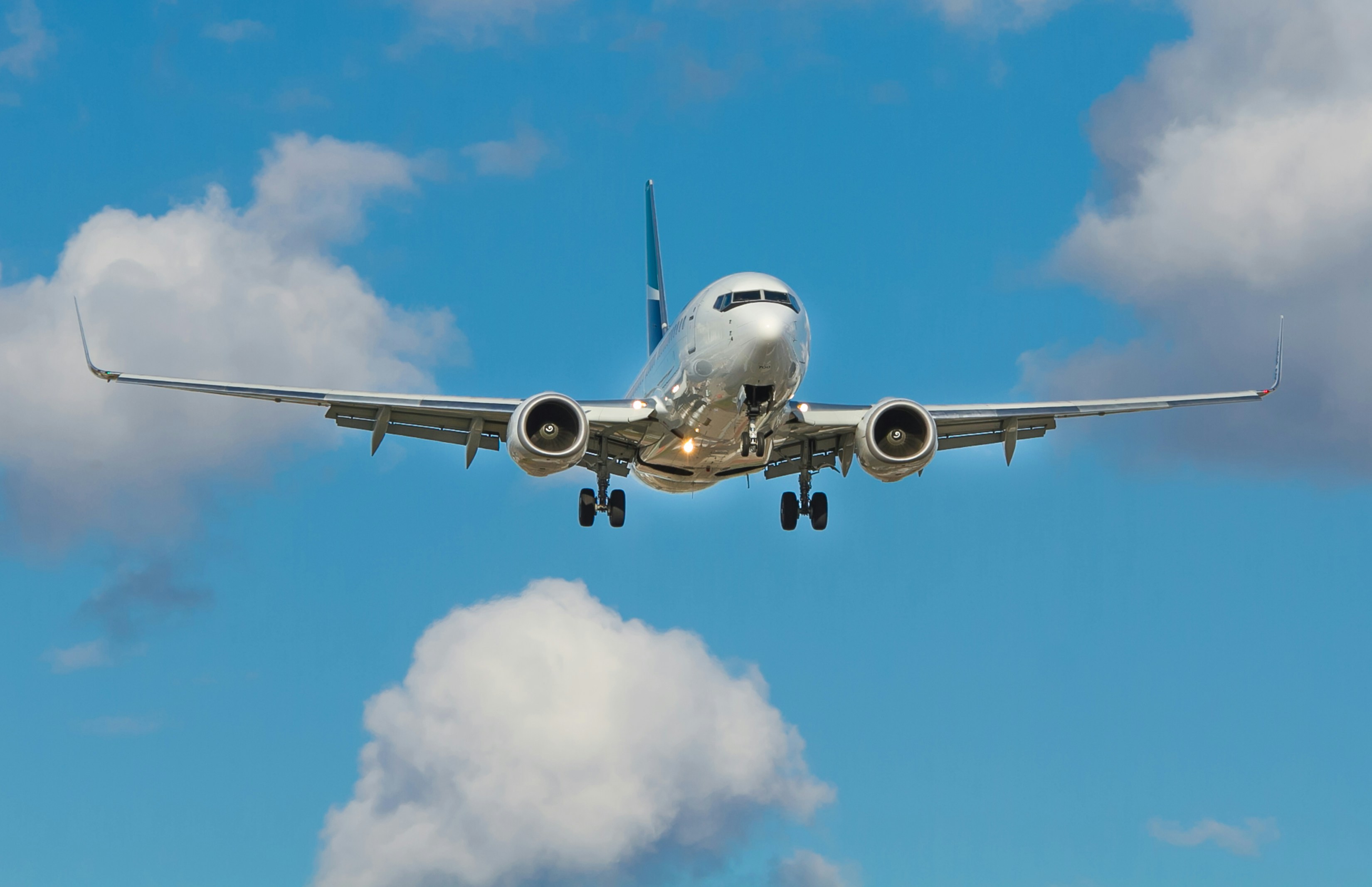
In early 2025, a series of plane crashes grabbed headlines, making many of us wonder: Is flying becoming more dangerous? Let’s break down what’s happening and try and discover whether it is now still safe to fly.
List of 2025 Plane Crashes and Their Causes
Here’s a rundown of the major plane crashes that have occurred so far in 2025:
- January 28, 2025: Air Busan Flight 391
- Location: Gimhae International Airport, Busan, South Korea
- Details: The Airbus A321 caught fire just before takeoff. All 176 passengers and crew evacuated safely, with seven people sustaining minor injuries.
- Probable cause: Investigations suggest the fire may have started in an overhead compartment, possibly due to a battery-related issue.
- January 29, 2025: Mid-Air Collision Near Washington, D.C.
- Location: Near Ronald Reagan Washington National Airport
- Details: A commercial jetliner collided mid-air with a military helicopter, resulting in the tragic loss of all 67 people on board both aircraft.
- Probable cause: Preliminary reports indicate a possible altitude miscalculation by the helicopter crew, but investigations are ongoing.
- February 6, 2025: Cessna 208B Crash in Alaska
- Location: Between Unalakleet and Nome, Alaska
- Details: The aircraft, carrying 10 people, disappeared during flight. Wreckage was later found, with no survivors.
- Probable cause: Radar data showed a rapid loss of altitude and speed, suggesting possible mechanical failure or severe weather conditions.
- February 17, 2025: Delta Air Lines Flight 4819
- Location: Toronto Pearson International Airport, Canada
- Details: Upon landing, the CRJ-900 aircraft flipped over and caught fire. Remarkably, all 80 passengers and crew survived, though 21 were injured.
- Probable cause: Strong crosswinds and snowy conditions likely contributed, with questions raised about the co-pilot’s experience level.
Why the Sudden Increase?
While these incidents are alarming, experts suggest that this cluster of accidents is more about coincidence than a decline in aviation safety. Jason Matzus, an aviation attorney, explains that this is likely “random clustering,” where multiple crashes occur over a short period, affecting public perception but not necessarily indicating a trend.
Statistically, air travel remains one of the safest modes of transportation. Arnold Barnett, a professor at MIT, points out that the rate of serious crashes for large planes is at or near all-time lows globally.

Factors at Play
Several factors can influence aviation safety:
- Pilot experience: The aviation industry is facing a pilot shortage, leading to less experienced pilots in the cockpit. For instance, the co-pilot in the Toronto crash had less than 1,500 hours of flight experience.
- Weather conditions: Climate change is contributing to more severe weather patterns, including increased turbulence and unpredictable storms, which can challenge flight operations.
- Air traffic control staffing: Understaffing in air traffic control can lead to increased workloads and potential oversights, especially during peak travel times.
What Do Experts Say About the Plane Crashes?
Aviation experts stress that while recent crashes are tragic, they do not indicate a long-term decline in safety. John Cox, an aviation safety consultant says, “The aviation industry constantly evolves with new technology and improved training programs. While no system is perfect, the safety measures in place make flying one of the safest travel methods.”
Dr. Arnold Barnett, MIT professor emphasizes that, “It’s important to look at these incidents statistically. While the recent crashes are concerning, they do not reflect a pattern of increased danger in aviation.”
Captain Chesley “Sully” Sullenberger, former pilot says, “The key is rigorous training and adherence to safety protocols. Proper pilot training and strict maintenance procedures are essential for preventing accidents.”
Experts also highlight the role of advanced safety features in modern aircraft, such as automatic collision avoidance systems and predictive weather monitoring, which continue to reduce the likelihood of catastrophic failures.

Is It Safe to Fly Now?
Despite the recent crashes, flying remains one of the safest ways to travel, and here are some reasons why:
- Statistical safety: According to the International Air Transport Association (IATA), the likelihood of a plane crash remains extremely low, with odds estimated at 1 in 11 million.
- Improved safety measures: Airlines continuously enhance safety protocols, train pilots extensively, and conduct regular aircraft maintenance.
- Technological advancements: New aircraft are equipped with cutting-edge safety features, including automated collision avoidance systems and real-time weather tracking.
Tips for Staying Safe While Flying
Even though there’s not much you can do while you are on the air or have boarded a plane, there are some safety tips to keep in mind, such as:
- Follow crew instructions: Pay attention to safety briefings and follow the crew’s guidance during flights.
- Keep your seatbelt fastened: This simple step can protect you during unexpected turbulence.
- Stay informed: Knowledge about flight safety procedures can help you feel more comfortable and prepared.
Remember, while these events are tragic, they are exceptions. The aviation industry continuously works to enhance safety measures, making air travel one of the most secure ways to get around.

How to Cope With Fear of Flying
For those who struggle with flight anxiety, the recent crashes might make things worse. However, there are effective ways to manage this fear:
- Educate yourself: Understanding how safe flying actually is can help reduce irrational fears. Research statistics and safety features of modern planes.
- Practice relaxation techniques: Deep breathing, meditation, and listening to calming music can help reduce anxiety before and during flights.
- Talk to a professional: If fear of flying is severely impacting your life, therapy or specialized programs like exposure therapy can be helpful.
- Use distractions: Watching a movie, reading a book, or engaging in conversation can keep your mind occupied during the flight.
- Consider medication: For extreme anxiety, a doctor may prescribe anti-anxiety medication for occasional use during flights.
Fear of flying is common, but with the right tools and mindset, it can be managed effectively. Air travel remains one of the safest ways to explore the world, visit loved ones, and experience new adventures.
Remember, while these events are tragic, they are exceptions. The aviation industry continuously works to enhance safety measures, making air travel one of the most secure ways to get around.
It is Still Safe to Fly
While the recent surge in plane crashes is concerning, it’s important to remember that air travel is still incredibly safe. Experts emphasize that these incidents do not indicate a long-term increase in danger but rather an unfortunate coincidence of events.
Airlines and regulatory bodies continue to enforce strict safety measures, invest in new technology, and improve pilot training to ensure flying remains the safest mode of transportation. If you’re worried about flying, understanding the facts, staying informed, and using coping strategies can help you feel more confident. So, while it’s natural to be concerned, there’s no reason to avoid air travel—it’s still the safest way to reach your destination.




Leave a Reply